How is dry food actually produced?
What you not really ber in a bowl — dry feed vs. raw food
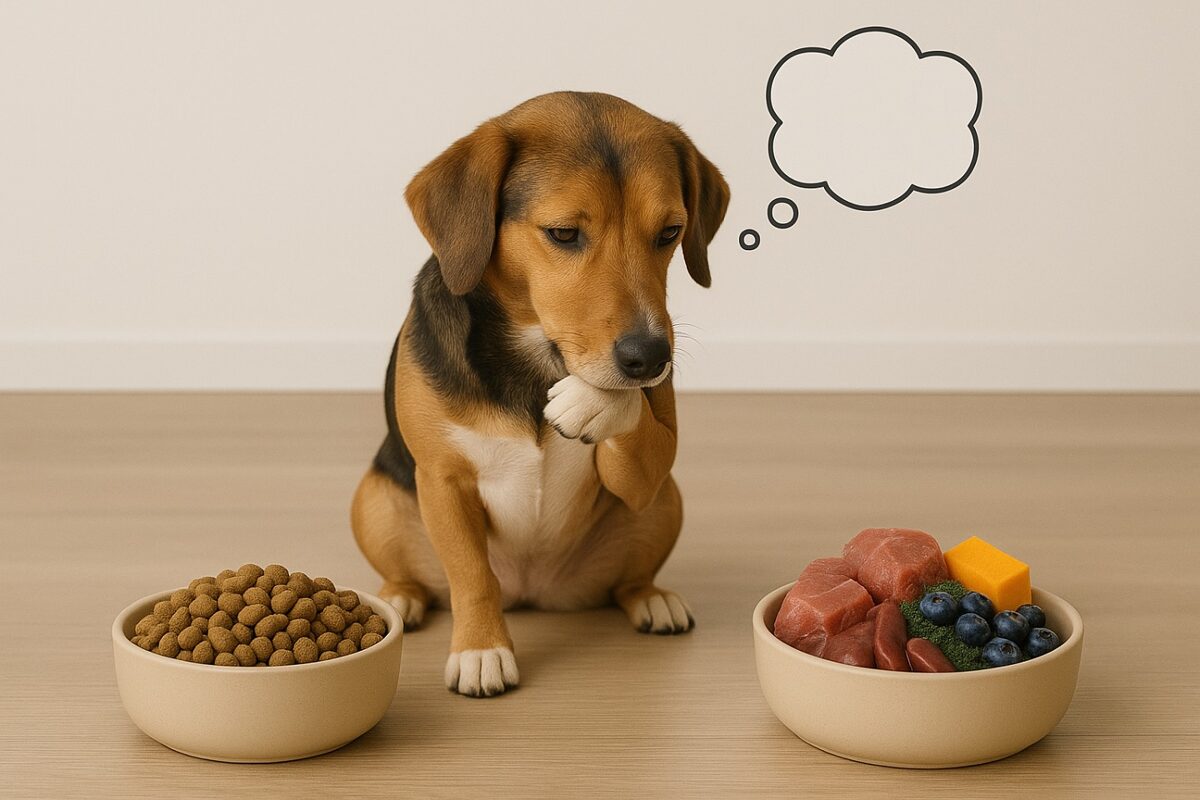
Most of the owners are not even aware that those small, brown gabilťi in the bag are made during an industrial process similar to the production of breakfast cereal. Here's what happens to your dog's food before it goes into the bowl:
How is dry food produced?
In powder form - Synthetic meat protein, rendered meat meal, grains and starch are ground into a fine powder.
Mixing - Add water and binders to form dough.
Extrusion - the dough is prepared under high temperature (up to 200°C) and pressure, then the mold is inflated.
Drying - Reduces moisture so food can stay on the store shelf for 18-36 months.
Fats and flavorings - without them it would smell and taste unpleasant.
Vitamins and mineral substances - Added artificially as natural sources are destroyed during processing.
📦 Result: crisp, long shelf life product designed for convenience and storage - not optimal health.
On the other hand, fresh whole products provide...
Naturally preserved nutrients and enzymes.
Better digestibility and absorption.
Moisture and antioxidants, which are not present in dry feed.
Real food, which the dog's body recognizes.
💡 Just like us, dogs are also healthy and happy if they receive fresh feed.
Fresh feeding promotes a healthier weight, stronger immunity, shinier coat and a longer, happier life.
Ready to go refresher trip?
Check out our range of raw food - Real food for real dogs and cats.
Visit the store →