🐾 ĶEPA RAW FOOD opens a new store in Teika!
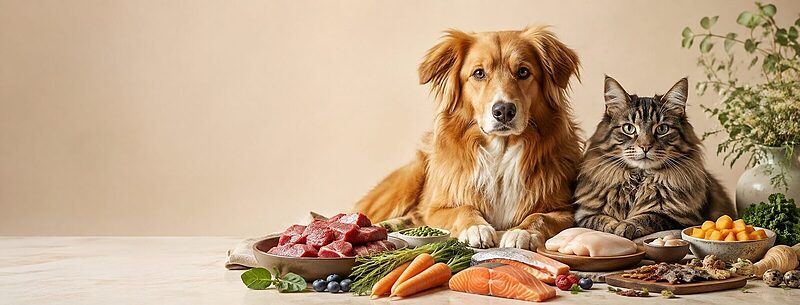
The new store will offer quality raw food, natural dried foods and delicious snacks for dogs and cats. Our assortment has been carefully selected with pet health, complete nutrition and well-being in mind.
📍 Brīvības gatve 271, Teika, Riga
📅 Saturday, 08.08.2026.
⏰ From 10.00
We welcome both existing customers and anyone who wants to choose high-quality and natural nutrition for their pet.
Come visit with your four-legged friend! 🐶🐱
Salmon oil for dogs and cats
Salmon oil for dogs and cats - EXCELLENT KEPA SALMON

EXCELLENT KEPA SALMON OIL is salmon oil for dogs and cats produced in Latvia - a high-quality nutritional supplement that provides Omega 3, 6 and 9 fatty acids. Suitable for both dry food eaters and raw food (BARF) supporters. Support Latvian product!
Why exactly this salmon oil?
EXCELLENT KEPA SALMON OIL combines three important values: high quality, competitive price and domestic products. By purchasing this oil, you support a Latvian company and provide your pet with a natural source of Omega fatty acids - without unwanted additives or long supply chains.
Good for what?
Salmon oil can be used safely by both dogs and cats, regardless of the type of diet:
- Dry food eaters - to add Omega fatty acids, which are often lacking in dry food
- Raw feeders / BARF supporters - as a natural food supplement
- During the moulting period - in the autumn, winter and spring period, when the pet "throws" a feather and there is little sun
How to use and dose?
Add oil to your daily meal - morning or evening. Added to the bottle convenient dispenser:
- 1 pressure = 2 g of oil
- Daily dose: 1 pressure for every 3 kg of the pet's weight
- Important: Do not exceed the daily dose - the oil softens the stomach
Storage
- Do not hold an oil bottle in direct sunlight
- Store in a cool, dry place
- Used after opening within 4 months
Where to buy EXCELLENT KEPA SALMON?
You can buy salmon oil in two convenient places: on the official product website www.kepaoil.com or in our online store www.kepafood.lv, where you can find a wide selection of raw food and natural products for dogs and cats.
Chicken feet for dogs - natural treat for joints | ĶEPA
Chicken feet for dogs - Your pet's nutrition bonus

Chicken feet is an often overlooked part of the dog's diet - small but powerful in value. They are raw bones consisting of bone, skin, fat, cartilage and connective tissue, making them into functional foods, not just chewy treats.
Support for joints and mobility
Chicken feet are naturally rich in collagen, glucosamine and chondroitin - ingredients that support joint health and mobility. Especially valuable for puppies in the growing stage and for senior dogs.
Ideal first bone for puppies
Chicken feet are soft, flexible and easy to digest - A great choice for puppies just starting to chew on raw bones. Promotes correct chewing behavior, supports jaw musculature development and provides natural brushing teeth.
Rich source of minerals
Chicken feet offer a remarkable spectrum of minerals:
- Calcium and phosphorus - For bone development and skeletal health
- Folate (vitamin B9) - for cell function and regeneration
- Zinc and selenium - For immune system and thyroid support
- Iron (in small amounts) - for oxygen transport and metabolism
Dental health and mental stimulation
Chewing works as natural toothbrush - Helps clean the teeth and massages gums. Also provides mental stimulation, which is as important for dogs as physical activity.
Remember: chicken feet are BARF nutritional supplement, not a complete daily meal. Balance is essential!
Important! Safety rules
- Never feed boiled chicken feet - Cooked bones can crack and cause serious indigestion
- Always monitor the chewing process - especially for first time puppies and seniors
- Make sure that the dog condition of mouth and teeth is suitable for chewing bones
How is dry food actually produced?
What you not really ber in a bowl — dry feed vs. raw food

Most of the owners are not even aware that those small, brown gabilťi in the bag are made during an industrial process similar to the production of breakfast cereal. Here's what happens to your dog's food before it goes into the bowl:
How is dry food produced?
In powder form - Synthetic meat protein, rendered meat meal, grains and starch are ground into a fine powder.
Mixing - Add water and binders to form dough.
Extrusion - the dough is prepared under high temperature (up to 200°C) and pressure, then the mold is inflated.
Drying - Reduces moisture so food can stay on the store shelf for 18-36 months.
Fats and flavorings - without them it would smell and taste unpleasant.
Vitamins and mineral substances - Added artificially as natural sources are destroyed during processing.
📦 Result: crisp, long shelf life product designed for convenience and storage - not optimal health.
On the other hand, fresh whole products provide...
Naturally preserved nutrients and enzymes.
Better digestibility and absorption.
Moisture and antioxidants, which are not present in dry feed.
Real food, which the dog's body recognizes.
💡 Just like us, dogs are also healthy and happy if they receive fresh feed.
Fresh feeding promotes a healthier weight, stronger immunity, shinier coat and a longer, happier life.
Ready to go refresher trip?
Check out our range of raw food - Real food for real dogs and cats.
Visit the store →Why can a dog that eats dry food vomit after eating raw food?
MY DOG WAS VOMITING AND HAD DIARRHEA. WHY?
 1. Lack of adaptation of digestive enzymes and microbiota (a set of beneficial microorganisms/microflora).
 2. Too rapid transition. Vomiting or diarrhea is very common if:
 3. Loss of enzyme and gastric acid activity.
 4. "Strength" and intensity of feed components. Fresh liver, kidney, stomach, fermented raw materials or too many bones can be too much for a dog that is not used to it.
 What to do to avoid vomiting/diarrhea:
 PS. currently sellers/manufacturers of BARF products have entered the market, who know NOTHING about raw feeding and the recipes are roughly like this - "we grind everything we have left over (udder, diaphragm, liver, kidneys, stomach - THEY ARE ALL ORGANS, l AND ALL ARE ACID!). PS. The miser pays twice - if you buy food that grinds a large amount of organs instead of meat, you will have to go to the VET with complaints about a "fast" stomach.
The ticks have woken up! 6 natural remedies for dog protection
The ticks have woken up! 🦟
How to naturally protect your dog from ticks - without aggressive chemicals. 6 effective remedies.

6 Natural repellants of external parasites
Hemp oil is rich in omega fatty acids, which promote healthy skin and coat, making the dog less attractive to parasites. When added to food or applied in small doses to the coat, it can help reduce the risk of tick bites.
Cysts or rosehip extract has a positive effect on the animal's body odor - making it less attractive to ticks, fleas and mosquitoes. A rich source of antioxidants, increases natural resistance to viral infections.
Cont lauric acid - A natural insect repellent. Apply to the dog's coat before going for a walk, especially on the legs, belly and head area. This prevents ticks from attaching to the coat. Can also be added to the diet - helps maintain skin health.
Contains natural substances that change the dog's sweat and body odor, making it less attractive to ticks and fleas. To be used in very small quantities - Finely chopped garlic once a week for large dogs. Small dogs - be especially careful.
Diluted with water (in a 1:1 ratio) and sprayed on the coat before going out into the wild, it helps repel ticks. You can also add a few drops to your dog's drinking water - make sure your dog likes it and doesn't cause stomach irritation.
Lemongrass, lavender, eucalyptus, tea tree and rosemary oil can help repel ticks. It should be diluted in coconut oil or olive oil and applied in small amounts to the neck and legs. Avoid contact with eyes! Some dogs can be sensitive.
After each walk, check the coat - especially ears, armpits, muzzle and belly. Washing with natural shampoos (with neem/neem oil or lemon extract) can help keep ticks at bay. A little more in the owner's care - and without chemicals!
🛒 You can buy ĶEPA RAW FOOD from us
🔗 All anti-aging products →Do you want to know which products are suitable? just for your dog?
🛒 Visit the store →"A little more host care - no chemistry. It's possible!"
Salt in dog and cat food - an often overlooked risk
Salt in dog and cat food 🧂
Salt (sodium chloride) is added as a preservative and flavor enhancer - but is it really necessary? And how much is too much?

Side Effects - 5 Risks
High salt concentration causes intense thirst and can lead to dehydration, especially if the animal does not have free access to fresh water.
Excess salt can disrupt the balance of sodium and potassium in the body, affecting muscle and nerve function.
Prolonged high salt intake can place additional strain on the kidneys, especially in animals with pre-existing kidney problems.
Like humans, too much salt in dogs and cats can raise blood pressure, which can damage the cardiovascular system in the long term.
It is especially dangerous if the animal ingests a very large dose of salt at one time - for example, by eating human foods with a high salt content. Can cause vomiting, diarrhea, fever, convulsions and even death.
BARF and raw-fed pets do not need extra salt - Necessary sodium is obtained through meat, blood and organs.
Want to switch to natural, salt-free food?
🛒 View raw food →"Real food - for real dogs and cats!"
IF THE DOG/CAT VOMITS...
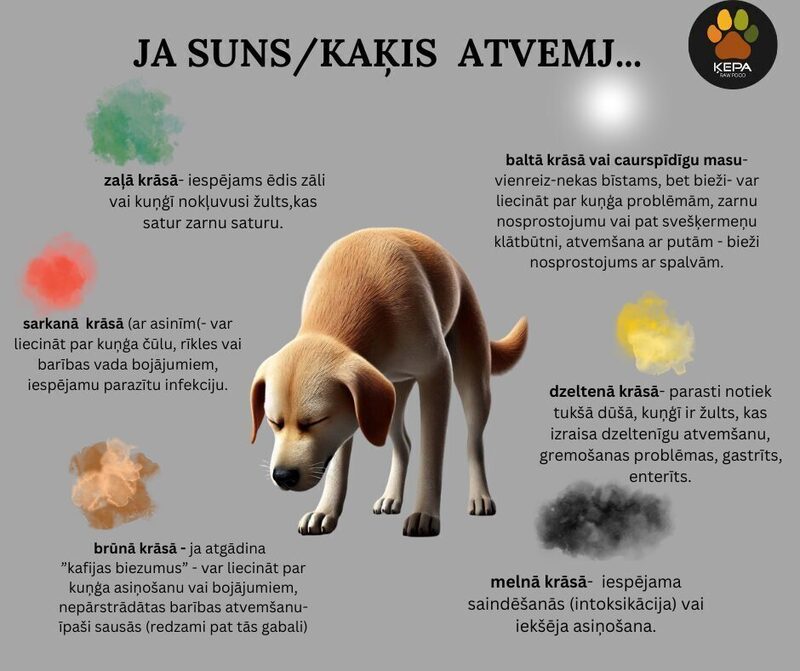
 Dogs, cats vomit for various reasons, and it can be both a normal physiological reaction and a sign of a serious health problem. Here are the most common reasons for vomiting:
 2. Vedeath due to illness or health problems:
 3. When to contact a VETERINARY immediately:
Can a dog eat ham, sausage or dried meat?
 The holidays are approaching, when setting the festive table, cooking different dishes becomes relevant.
 CAN DOGS EAT HAM, SAUSAGE, DRIED MEAT?CAN! BUT - SHOULD YOU DO IT?

 It is worth adding that processed meat (ham, sausage, dried meat/fish) is associated with long-term health risks for both humans and dogs. These risks include chronic diseases such as heart problems and even some cancers.
A dog will not become bloodthirsty by gnawing on a hairy rabbit ear!

For all nine employees currently working Ķepa Raw Foodpet food stores and warehouse, have their own dog. And this is an unwritten condition of the owners of this family business - that everyone in the team truly understands the needs of the animals and is able to communicate about them. "I say that our customer is not a person, but a dog. Yes, a cat too. Everything you give to a dog that eats food, you can also give to a cat," says Ķepa Raw Food creator, idea bearer Lāsma Cimere, but her husband Uģis adds that it also happens in their own homes: products are tested by a dog - Cane Corso breed puppy Rumi, and cat – Devon Rex Kiwi.
The Ogrėnian company was created at a time when raw feeding of dogs was still something new and unusual. At that time, as distributors of raw food (or raw food) products, they almost begged merchants to accept them, but now people find Ķepas themselves. Buyers have become more knowledgeable and knowledgeable about feeding pets after BARF (Biologically Appropriate Raw Food) to the principles of food philosophy, which state that the dog should eat a biologically appropriate, raw, balanced diet - mainly muscle meat, offal, bones supplemented with vegetables, yogurt, eggs. "A dog is not a garbage pail or a pig to feed leftovers. The role of pets in people's lives has increased, and the owner must be responsible for his dog. For me, the dog makes me move, I talk to him. The dog takes on the owners' pain. And if a person works with animals, it is no longer just a job," says Lāsma.
Crisis as a beginning
Lāsma is a Latvian language and literature teacher, educational methodologist and career consultant, she has worked at the school for 23 years. Uģis has been an entrepreneur all his life, mainly in the field of woodworking. It should be added here that both of them never lacked creative ideas to implement in parallel with the main work. "We have literally made soap, brought tea from India. We see something interesting on our travels. As a teacher, I always have anxiety inside. I have led a youth NGO O room, wrote projects, worked in the municipality. We also had the cafe Puce cep, we baked bubble waffles and gave jobs to young people without experience. Now I am a certified bather, also a certified pet nutritionist. I am interested in helping people. But it's better not to show your CV to anyone, there's so much inside that it seems strange, including window dressing, gift wrapping, floristry, secretary, clerk, all kinds of courses, I'm also interested in tarot cards and astrology," laughs Lāsma, mother of three sons, creator and manager of ĶEPAS.
About seven years earlier, when her youngest son started first grade, Lāsma went through a crisis, inner changes and a personal turning point. “It felt like — yes, you are a good teacher, but how long can you keep telling students about Rainis? At the same time, I had a year of vegetative dystonia and depression. At 43, leaving my job in that state and wondering what to do next in life, I felt lost. Yes, I had a lot of knowledge. I applied for other roles, but often I was overqualified. I completed a small business management course and focused more on what was happening at home,” Lāsma recalls. It was a difficult time for the family: Uģis’ drying kiln burned down at work, and their son was diagnosed with dyslexia.
Against all this background, Lāsma also for the first time seriously thought about the poor health of the family's labrador, Lord. The dog had diabetes, insulin was used daily. After listening to the vet, they believed in dry food, but in the end Lords dried up, weighed only 23 kg, and also became blind. Shortly before the pet passed away, Lāsma obeyed an inner impulse and bought it through acquaintances Cane Corso puppies. However, it soon became clear that Kor, as an offspring of incorrectly mated dogs, also has health problems - i.e. s. "cherry eye" that had to be operated on. At the clinic, Kor was left alone, fell off the table and damaged his cornea. The dog was fed with the dry food recommended by the breeders, but the animal began to scratch itself a lot, tear itself to the bone. "I started asking myself questions - what is it? Why? And I started looking for answers in feeding the dog," Lāsma says.
There was a lack of information about raw feeding in Latvia at that time, the first contact was made with veterinarians and nutritionists in Ukraine, then in the USA. Lāsma went to the market for raw food for Koram, but she was not sure about the origin and quality of the meat she bought. And Lāsma's idea was born - we need one place where a person can come and buy natural, fresh basic products for their dog, as well as treats without soy, gelatin, and dyes. In 2019, the Zimmer family opened in Ogre Ķepa Raw Food store.
Wolf food, dog cakes
Kors was a clear example of the effect of a change in diet. The dog's health improved rapidly. His entire litter of siblings had various pathologies, plus Cane Corso the weak point of the breed is heart failure, with which Cor recently, at the age of almost eight, went to other hunting grounds. Blind and deaf, but with skin that shines like a diamond, Uģis says. Currently, three-month-old Rumi has entered the family. At the time of our visit, the puppy is full, sleeping sweetly in the owner's office under the table, does not respond to guests, and Lāsma has to take her in the lap for the photo shoot.
At the beginning of the raw food business, relatives laughed at Zimmer's idea - dogs will eat better than people! Lāsma shrugs: it's almost like that if you study the composition of the products. Although the concept of a carnivorous dog eating leaves and grass is still alive and well, it is actually the kind of diet that the wolf ancestor of the dog ate in the wild. A dog's internal structure and organs are still like a wolf's. At first about Ķepa Raw Food buyers have become owners of sick and allergic pets, but now owners of healthy four-legged ones also come, besides, veterinarians tend to send dogs here that cannot cope with health complications. Lāsma believes that the veterinarians' own knowledge and openness towards raw feeding is also improving, which was not there at the beginning, because some of these professionals are distributors of a specific dry food. "We offer natural medicine, because nutrition in our understanding is medicine," Lāsma said.
Currently, Ķepäs has a store in Ogre, a store in Āgenskalns market in Riga and an online store Kepafood.lv. The range has grown to nine product lines, around 300 products in total. At the same time, Cimmeri sells them as distributors in other stores, vet clinics, having entered a month and a half ago Rimi network, have recently started cooperating with Bolt, allowing you to order raw food for a pet in the same way as a meal for a human. All this has required a lot of persistent work, sweat and tears. "Each product is an achievement. No one has been so happy to have turkey feet or rabbit heads on sale as I am," Lāsma smiles. The company works with European products, searching for and addressing raw food producers at exhibitions abroad, many of them also produce products according to their own specifications. Paw recipes. Good, stable cooperation with partners in Poland, Greece, Spain has been established. Raw food is also slowly emerging in Latvia, but the problem here is the lack of meat producers, and Cimeri also had a bad cooperation experience.
They Ķepas started as a couple, repairing the premises themselves, doing everything with their own hands, surviving without loans and involving their sons as helpers. Participation in LIAA's Ogre business incubator, which provided training and financial support, was a big support. "Of course, I want to earn a million, but first of all, I want to make a contribution to society. So that pets have access to fresh products that are sure to be of high quality, natural, safe, tested," says Lāsma.
Over time Ķepas also overgrown with other useful things for pets. The stores also sell harnesses, leashes, dog toys, pet nutrition consultations, dog physiotherapist services are available. And Lāsma also prepares individual holiday cakes for dogs and cats to order, with which many owners choose to please their pets on birthdays or the like. Last year, Lāsma made 167 such frozen cakes from fresh ingredients. The largest was 15 dogs for a camp.
Relatives no longer laugh
The company's growth is not a story of success, but a story of hard work and also fateful coincidences that came at the right moment, Uģis believes. For example, a call from Āgenskalns market to Lāsma with an invitation to shop. Later, it grew into a permanent store and a number of regular customers. Similarly, everything coincided unexpectedly well with the possibilities of expansion of premises in Ogre.
Lāsma describes that there are emotions, anxiety and long-term weighing of every decision in his company. Lāsma resisted the recently created e-store for a long time, because she thought it was too early. Largely because people still don't have enough knowledge about raw food, the transition to it and its principles. "If the dog has been eating dry food all the time, then if you add fresh meat to it one day, the dog will have diarrhea or even vomiting. And what do people think will be to blame? The store! Not the dog's pancreas," Lāsma explains her concerns.
She Paw diligently blogs about raw food on the website to educate the public. Compared to the first years, now stores do not have to invest so much in storytelling and explaining, because people now have a better understanding. Uģis laughs that one of the advantages is that Paw dogs are allowed to enter the shops - the four-legged ones then pull the corresponding box from the shelf: this for me, please!
However, stereotypes do not disappear so quickly. Sometimes buyers are surprised that when they open the purchased package with chicken heads, they look really natural. Or, for example, the customer is upset that he bought a "stomach with shit inside" or meat with worms. Then Lāsma calls and patiently explains what processes take place in the stomach of any creature and how quickly a fly can lay its eggs on defrosted meat placed by an open window. In the case of raw food, in contrast to dry food, these are things that the customer must know, while traders must expect higher requirements for how to store this food.
Another misconception arises from the fact that people attribute human reactions to dogs. For example, you should not give a chicken fillet to a dog, because it is "empty", the main value is muscle meat, tendons. "When a wolf bites a deer in the forest, he also eats the entrails first - everything is there, bacteria, vitamins, the rest maybe not even touched at times," says Uģis. Just like in nature, you can also give the dog "parts" of animals with all the feathers or frozen meat, which will additionally clean the teeth and palate. "And it is a huge delusion to think that if a dog gnaws a hairy rabbit's ear, it will become aggressive, bloodthirsty and eat the indoor rabbit," said Lāsma.
Relatives no longer laugh at business. Paw owners would like an even more educated society, legislation that would regulate fresh pet food according to its nature, not as dry food, as well as a lighter tax burden for small entrepreneurs. However, it is clear that In the paws both feel fulfilled. "In my business, I can do what and how I want, without limits. I need to learn all the time. And there is a certain sense of mission about raw food," says Lāsma. "To live without all these efforts - we wouldn't teach that way, it wouldn't be interesting. It's a way of life. Fall and rise," sums up Uģis.
Photo: Kristaps Kalns, Dienas media.
CAN FRESH AND DRY FOOD BE MIXED TOGETHER?
Mixing dry food with raw food is a common practice among dog owners who want to maintain the convenience of dry food, but at the same time want to provide their pets with a more nutritious diet by feeding raw food. This may be useful/even recommended during the transition period to raw food or in cases where completely raw food is not financially feasible.However, although mixing dry and fresh feed is common, it is not always the best solution.Dry food changes the pH level of the intestines! And NOW questions and answers:
- Can I feed my dog with half fresh and half dry food? Yes, you can feed your dog half fresh and half dry, but it is important to manage the digestive process to avoid problems. Adding probiotics to the diet of such feed can help digest fresh meat better and reduce the risks associated with feeding dry and fresh feed together.
- How much raw food to add to dry food? When mixing dry food with raw food, start with a small amount of raw food, such as a quarter of a meal, and gradually increase to balance digestive health. Owners should ensure that the correct pH levels are maintained in the stomach to aid in the efficient digestion of fresh feed.
We recommend, if it is necessary to maintain both feeding methods, to divide the meals - try not to mix everything together, but serve fresh at one meal, and dry at the other.
The author of the article is Lāsma Cimere.
Hemp oil in your pet’s diet
 How does cannabis help our pets?

 Hemp seed oil, unlike fish oil, has the ideal ratio (3:1) of essential fatty acids (EFA) Omega 6 and Omega 3, which animals need just like humans. This balanced ratio, along with the combination of Omega 6, antioxidants and plant cholesterol, can promote overall joint health by reducing: inflammation arthritis painful/damaged joints, their pain treatment it helps build a strong immune system and improve blood circulation.
Author of the article: Lāsma Cimere.
Raw feeding guide
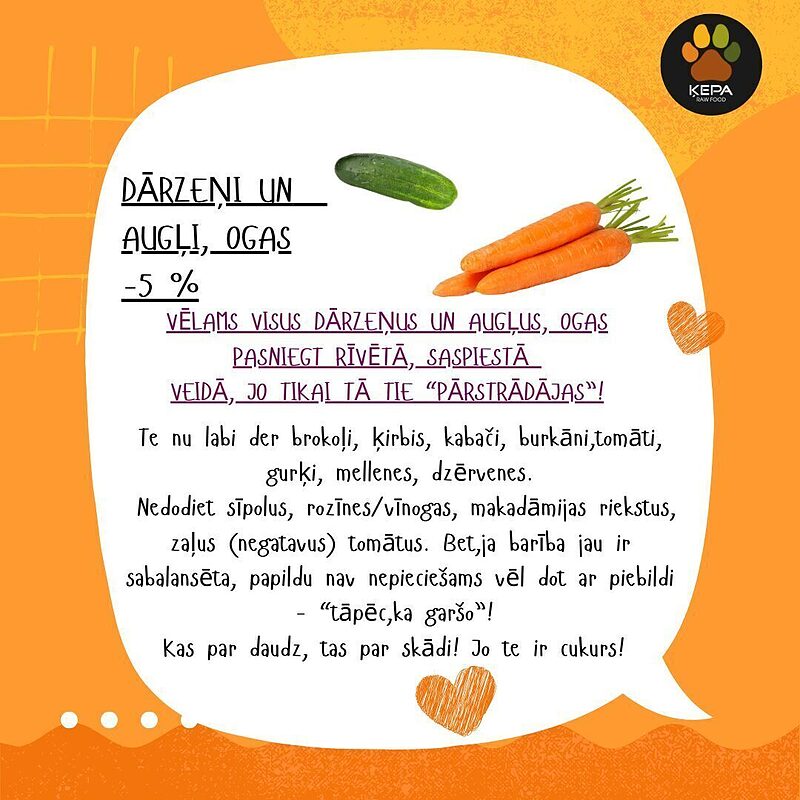


 Orange_Guide_To_Feeding_Your_Baby_Instagram_Post-2.pdf


SPIRULINA - THE GOOD BACTERIA IN YOUR BOWL

8 facts ABOUT DOG/CAT FOOD

Testicles in a dog's diet?
Your pet MUST EAT THIS ORGAN!
 It is often asked why this organ should be in a dog's diet - most often beef, lamb.
In MOTHER NATURE'S system, they are MULTIVITAMINS. Testicles are included in the BARF feeding system at 10% of offal. Because too much is too much! This organ is very rich and valuable.
We add it to other by-products, such as liver, kidneys, lungs, brain, for the daily meals of a raw-fed pet.
For raw-fed pets, we offer testicles after defrosting (it is better to thaw them fresh before serving). For human consumption, for example, lamb testicles are served heat-treated and as a delicacy. It is also a valuable delicacy in a dog's diet - a source of vitamin B12, which supports blood circulation, the nervous system, and the functioning of the intestinal tract. Healthy food!
Make bone broth for a pet!

Support your pet’s blood cell production

Protein variety — adding variety to a raw-fed pet’s diet
If the diet is varied, it does not get boring.
A diet of only one source of protein can cause allergies, food intolerances, which are often seen in dogs fed the same type of commercial dry food all the time.
Changing protein sources reduces the chance of an allergic reaction to one type of meat. In addition, the dog's digestive tract should receive beneficial bacteria of various origins that improve food digestion. All this strengthens the dog's immune system and increases the tolerance of the digestive tract to dietary changes.
Our recommendation is to provide your pet with at least 3 to 5 different protein sources in 3 months.
May you succeed in finding the best solution!

Your raw-fed cat

Natural food is best for a cat - raw food, which is as similar as possible to what his distant wild ancestors ate and what the cat's digestive system was formed to take.
Supporters of raw food (the owner) believe: the statement that it is possible to add all the substances necessary for the animal to the industrially produced food, which it would be difficult for the owner to provide, is also not convincing, because the cat's body is even better able to absorb everything it needs with natural, fresh meat products. And cats in the wild certainly do not sprinkle their prey with nutritional supplements.
Often owners, wanting to treat their pet with a healthy treat (which is not a treat), after dry food or canned food, also offer pieces of fresh meat to the cat. However, we would not recommend this, as research shows that eating fresh meat produces lower stomach acid levels than when a cat is fed ready-made dry or wet food. Consequently, when mixing two completely different types of feeding, the animal's digestive system may suffer. In addition, we would like to state that it is often the case that cats who eat sublimated, dry food become like direct drug addicts. They depend on dry food, or rather supplements, which are so attractive. And then the cat no longer recognizes the raw food. Unfortunately. Only fresh meat (frozen) and offal (animal organs) should be given. We recommend feeding cooked food only to sick cats, such as those suffering from malignant tumors, whose body may not be able to cope with fresh products, especially if the animal has been eating ready-made food all its life. Likewise, cats with problems with the functioning of the immune system and digestive organs. Owners of seriously ill patients should consult with a knowledgeable veterinarian or pet nutritionist before switching to raw food. If the host buys meat from grocery stores/markets, we recommend dividing it into portions and freezing it. It is recommended to freeze the meat not only to prevent bacteria from multiplying in it, but also to prevent possible small parasites - if there were such in the meat, keeping it in the freezer for 36-48 hours would make it harmless to the cat. The frozen portion intended for morning feeding can be transferred late in the evening from the freezer to a refrigerator shelf where the temperature is higher, but not kept at room temperature. On the other hand, the meat intended for the evening meal can be taken out of the freezer in the morning, before
the owners go to work. It is best to store the one left for freezing in a glass container with a lid. It is best for a healthy cat to eat meat cut into small pieces, as well as bones and cartilage. A cat that is already accustomed to it perfectly copes with, for example, chicken wings, necks and drumsticks, leaving only the middle part of the drumstick intact. Also, a cat can gnaw most of a rabbit's bones. However, the cat also eats the mouse with the whole skeleton. For a healthy cat, it is best to eat meat cut into small pieces, as well as bones and cartilage. A cat that is already accustomed to it perfectly copes with, for example, chicken wings, necks and drumsticks, leaving only the middle part of the drumstick intact. Also, a cat can gnaw most of a rabbit's bones. But the cat also eats the mouse with the whole skeleton. Fresh meat of almost any animal can be given to the cat - chicken, rabbit, turkey, duck, goose, sheep, beef, pig. In the past, pork was not recommended for pets, but this opinion has changed, however, caution should be exercised and you should definitely buy only tested pork. Beef, especially beef heart, is highly recommended, as it is an excellent source of taurine, which is known to be the most important of the amino acids a cat needs.
The hearts of chickens and other animals also contain taurine, only in smaller amounts. A cat eats a mouse with all its internal organs and fur, and when giving meat, animal organs, such as chicken stomachs, skin, should also be offered along with it. Fresh liver can be added to the meat a couple of times a week, which will give the body an additional dose of vitamin A. The yolk of fresh eggs contains a lot of vitamin B, eggs should also be included in the menu of a fresh-eating cat.
It is preferable to feed the cat with meat from two or three different animals per week. If the cat's diet includes meat from animals that have received natural food, lived in a natural meadow, the cat also receives the amount of omega fatty acids it needs. But most often it is not at all, so sometimes you can add organic butter to the fresh meat, a useful source of fatty acids is also
coconut oil.
As observed by owners who feed their cats with fresh meat, the animal becomes stronger, more active, its health improves, the body also copes with diseases, such as diabetes, more easily.
Take note! A cat should receive fresh meat feed of approximately 2-4 percent of its weight per day (if the animal is overweight, the cat's ideal weight should be used for the calculation). Fresh meat food can be given to an adult cat from two to four times a day - according to the owner's possibilities, kittens are fed every five to six hours. The cat's body does not need grains or vegetables, which are generously added to commercial ready-to-eat food.
Being a carnivore since its wild days, the cat can really fully use only meat, animal organs and a limited amount of fish. Therefore, when preparing raw food for mint at home, it does not need to be supplemented with rice, fresh or boiled carrots or other vegetable products. Only sour milk products are useful for supplementing the menu. Water can be offered in a bowl, but do not worry if the cat does not drink it, as fresh meat products contain a lot of water.
ĶEPA RAW FOOD Latvia provides several tens of kg of raw food for your cat's table every month. We offer specially selected and portioned freshness with rabbit, turkey, salmon, chicken, beef, fish meat, rabbit carcasses, duck necks (folded), small fish or cod meat sticks.
#barf #cats #svaigabariba #ķepa #rawfood #cat #food for the cat